- (000) 123 458 789
- office@worldpatientsalliance.org


Meet Elena Moya - World Patients Alliance
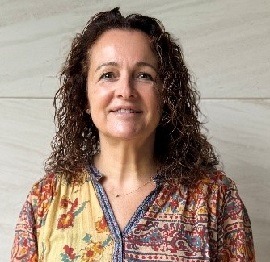
- My involvement in Patient Advocacy began in 2005, following a life-changing and deeply personal experience.
- One of my students passed away within just 24 hours due to meningococcal sepsis. Her sudden death had a profound impact on me and made me fully aware of how devastating and fast-moving meningitis and sepsis can be, as well as how limited public awareness was at the time.
After this tragedy, I made the decision to leave teaching in order to support her father in creating the first foundation in Spain dedicated to the fight against meningitis. The foundation was named after his daughter, Irene Megías, and its mission focused on prevention, awareness campaigns, and education to help other families avoid similar losses. I was appointed National Development Director, a role through which I worked to expand the foundation’s reach, build partnerships, and promote public health initiatives across Spain.
In 2008, this work led me to represent Spain at an international level within the Confederation of Meningitis Organisations (CoMO), a global alliance founded in 2004 and headquartered in Bristol, United Kingdom. Through CoMO, I began collaborating with patient organizations from around the world, contributing to a shared global effort to raise awareness, advocate for prevention, and ensure that the patient voice is central to decision-making. This international engagement marked the beginning of my long-term involvement in global patient communities and ultimately led me to the Profit World Community.
- This professional change was deeply rooted in my experience as a teacher working with adolescent students. Being so closely connected to young people and their families helped me understand the importance of education, prevention, and early awareness. After this experience, I made the decision to leave teaching and become fully involved in the patient movement.
As part of this commitment, I sought to develop the necessary skills to contribute in a professional and effective way. I completed two master’s degrees focused on patient advocacy and the management of patient organizations: one at the University of Alicante and another at the Instituto ProPatiens, specializing in the governance, development, and sustainability of patient associations.
- For me, the most rewarding part of my work is that I do not work with numbers, but with people. I have great respect for those who work in the business world, as it is essential for the progress of our society, but I know that it is not my path. Numbers, financial statements, and budgets genuinely overwhelm me, and I am not skilled at organizing activities where money is the central focus.
In this sense, I am not driven by financial ambition. My motivation is deeply personal, and the true reward of my work lies in its human impact. Receiving calls from families who tell us that our awareness campaigns and informational materials helped them recognize the warning signs in time and protect their child is what truly gives meaning to what I do. That is what fulfills me and keeps me committed to this work.
I firmly believe that prevention saves lives.
- The most difficult aspect and one of the main challenges of working within a patient association is, without question, funding. Over the past twenty years, we have experienced very different phases, including periods of strong and productive collaboration with companies, particularly pharmaceutical companies. However, as of 2025, it has become increasingly difficult for our projects to move forward, as we no longer benefit from the same level of financial support. At least, in Europe. This reality has forced us to develop new skills and focus on diversifying our sources of funding.
This is demanding and often exhausting work, but it is also deeply interesting and meaningful. When a project finally succeeds, it is the result of sustained effort and perseverance, and that process ultimately reflects the quality, solidity, and relevance of the initiative.
There is also a significant personal and organizational challenge related to teams. Many patient associations are born out of the anger, pain, or grief experienced by a family. However, in order to be sustainable over time, these organizations must become fully professionalized. This includes developing strong capabilities in areas such as communication and social media, leadership and governance, administration, financial management, and human resources. Only through this professionalization can patient associations remain credible, effective, and resilient in the long term.
- I would tell that person that he/she needs to be highly motivated on a personal level and prepared to listen, support, and work with families who are broken and suffering. It is not always easy, and one must maintain strong mental stability and resilience to navigate the emotional challenges of this work.
At the same time, if the person is motivated and has specific training in areas such as management, project design, or working with policymakers and the media, a patient association can become an ideal environment for developing their skills and achieving professional growth. It is a demanding but incredibly rewarding field where personal dedication and professional abilities can make a real difference in people’s lives.
- What makes me most proud is seeing how years of effort are finally recognized and rewarded. For example, it is incredibly gratifying to earn the trust of prestigious scientific societies at both national and European levels, as well as politicians involved in health administration. Being received by Ministers of Health and regional health authorities is truly a great honor and a source of immense pride.
- I have three grown-up children who have already flown the nest. I also have two little dogs who bring me so much joy, and I live with my partner. He was my boyfriend when I was 15, and even now, we still share those magical glances full of love and complicity, and we laugh together a lot. Honestly, I feel incredibly lucky to have found such an extraordinary life partner for almost 50 years.
When I’m not dedicating myself to this patient advocacy work, I love to swim, go skiing in the winter, dance African style, cook paella using my parents’ recipe—they were Valencian—play paddle tennis, and spend a lot of time with friends.