

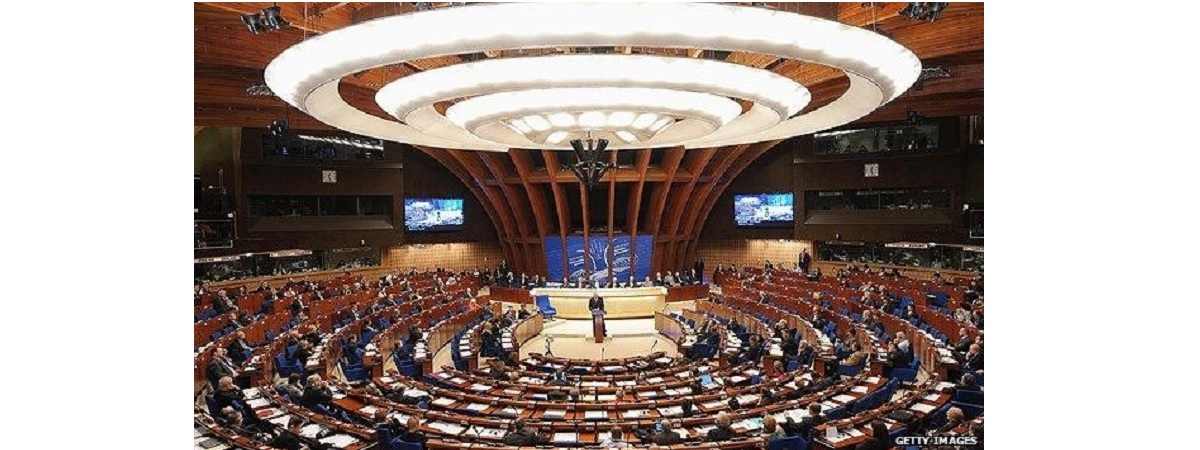
WPA has been granted observer status to the Council of Europe’s Committee of the Parties to the Santiago de Compostela Convention (Council of Europe Convention against Trafficking in Human Organs). This recognition positions WPA within the Convention’s formal follow-up mechanism, enabling structured engagement with Parties to support implementation, promote information-sharing and good practice, and strengthen cooperation across jurisdictions to prevent and combat organ trafficking and protect victims’ rights.
What observer status means
As an observer organisation, WPA can attend future plenary meetings of the Committee of the Parties, share relevant information, experience, and good practices linked to the Convention’s remit, and make proposals for the Committee’s consideration. In this role, WPA will participate in plenary discussions and policy dialogues to advance patient protection, ethical transplantation systems, human dignity, and public health, while supporting rights-based and inclusive approaches that strengthen trust and integrity in healthcare systems globally.
Why this matters
Trafficking in human organs is a serious human rights and patient safety issue. It exploits vulnerability, undermines ethical transplantation systems, and creates long-term harm for patients and communities.
The Santiago de Compostela Convention is the first international criminal law instrument focused on this issue. It aims to criminalise trafficking in human organs, protect victims’ rights, and promote national and international cooperation.
Statement by the World Patients Alliance
“We welcome the Council of Europe’s decision to grant WPA observer status to the Committee of the Parties to the Santiago de Compostela Convention,” said Hussain Jafri, Chief Executive Officer of the World Patients Alliance.
“Trafficking in human organs is a violation of human dignity and a direct threat to patient safety. WPA will use this platform to support stronger prevention, promote transparency, and ensure that patient perspectives inform international cooperation and policy discussions under the Convention.”
“We look forward to contributing expertise and good practices from our global patient community, and to working with the Council of Europe and Parties to strengthen patient-centred protections and ethical safeguards.”