

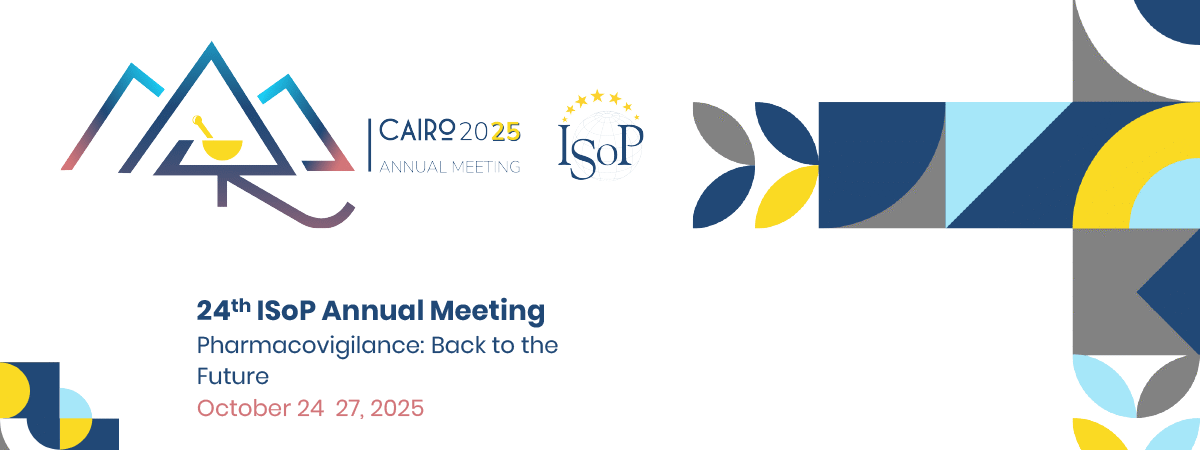
The 24th Annual Meeting of the International Society of Pharmacovigilance (ISoP 2025) was held in Cairo, Egypt, from 24 to 27 October 2025. The meeting theme, “Pharmacovigilance: Back to the Future,” explored the evolution of the field and its future direction. Dr. Hussain Jafri, CEO of the World Patients Alliance (WPA), presented at the conference on the “Role of Patients in Pharmacovigilance,” highlighting the critical shift from viewing patients as passive reporters of adverse drug reactions to recognizing them as active partners in medicine safety.
The presentation emphasized that while progress has been made globally, with patients increasingly contributing to reporting systems, policy discussions, and safety monitoring, true partnership remains uneven. Structural barriers, limited feedback mechanisms, and a lack of meaningful inclusion continue to restrict the impact of patient contributions.
Dr. Jafri outlined the need to move beyond symbolic engagement towards genuine co-creation, where patients are involved across the entire pharmacovigilance cycle, from system design to decision-making and implementation. Drawing on global examples, including patient-led reporting systems such as V-Safe in the United States and the Yellow Card Scheme in the United Kingdom, he demonstrated how patient input can directly lead to improved safety outcomes.
The presentation also highlighted the importance of accessible reporting tools, patient education, trust-building, and the role of technology, such as mobile applications and AI, in amplifying patient voices. Special attention was given to challenges in low- and middle-income countries, where context-specific, inclusive approaches are essential.
Concluding with a call for collective action, Dr. Jafri underscored that strengthening pharmacovigilance systems requires coordinated efforts from governments, regulators, healthcare professionals, industry, and civil society. Patient organizations, including the World Patients Alliance, play a vital role in bridging gaps, advocating for inclusion, and ensuring that patient voices help shape safer, more responsive healthcare systems.