• (000) 123 458 789
  • office@worldpatientsalliance.org

Understanding pain.
Finding support.
Strengthening your voice in care.

Pain is real, complex, and deeply personal. For many people, pain affects daily life, sleep, movement, relationships, work, and emotional wellbeing. This page is designed to help people living with pain better understand their experiences, communicate more clearly with healthcare providers, and access trusted tools and resources for support.

Why this matters

People living with pain are often misunderstood, dismissed, or left without the information they need. WPA believes every person deserves to be heard, treated with dignity, and supported in decisions about their care. This page aims to validate the experience of pain, reduce stigma, and help individuals become active members of their treatment team.
  • – Pain is real
  • – You deserve equal treatment
  • – Good communication improves care
  • – Trusted information matters

TYPES OF PAIN

Understanding the type of pain you are experiencing can help you describe it more clearly, ask better questions, and take part in care decisions. This section gives a simple overview of major pain categories and related experiences.
acute pain

Acute Pain

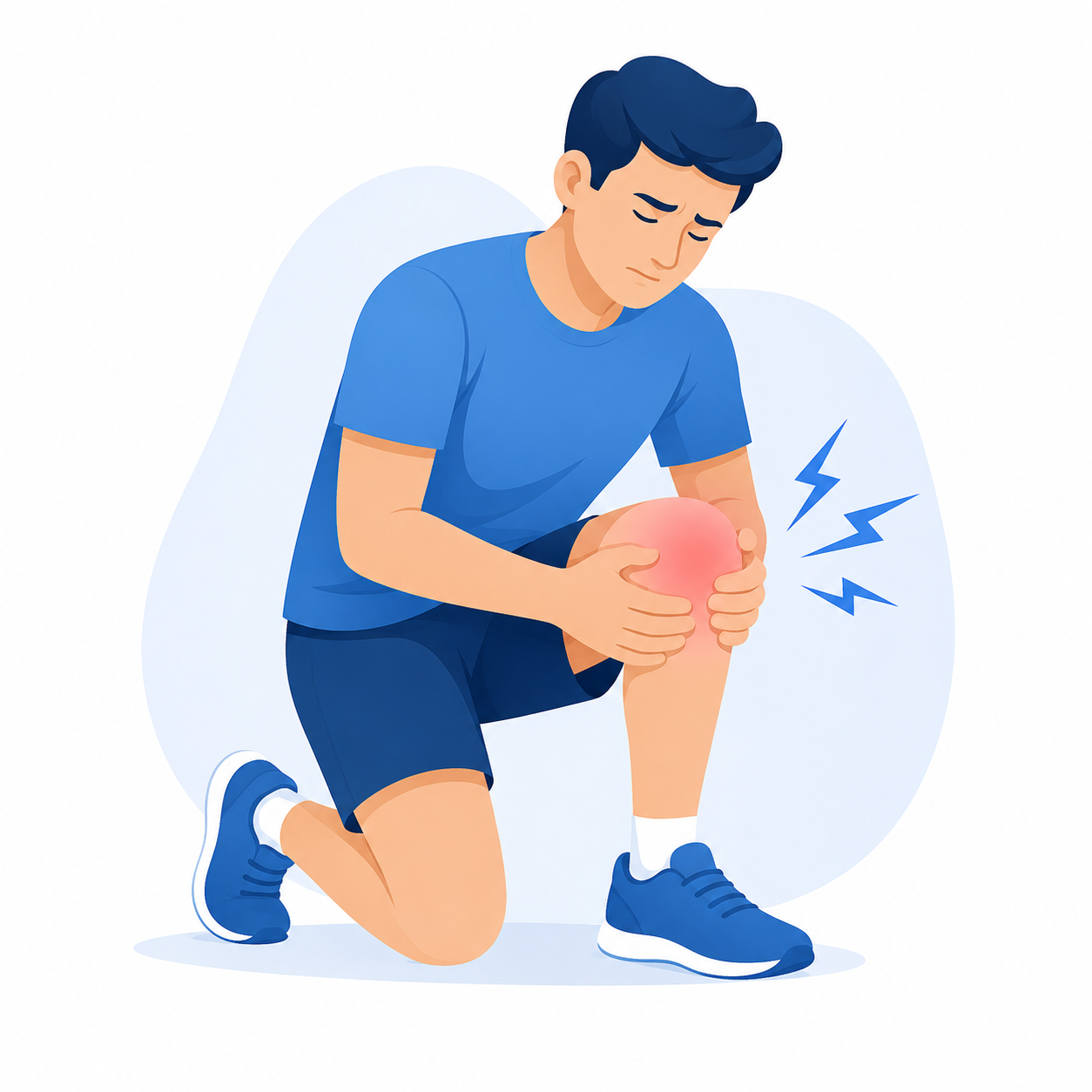
Acute pain usually begins suddenly and is often linked to injury, surgery, illness, or another clear cause. It may last for a short time and often improves as the body heals.
Chronic Pain

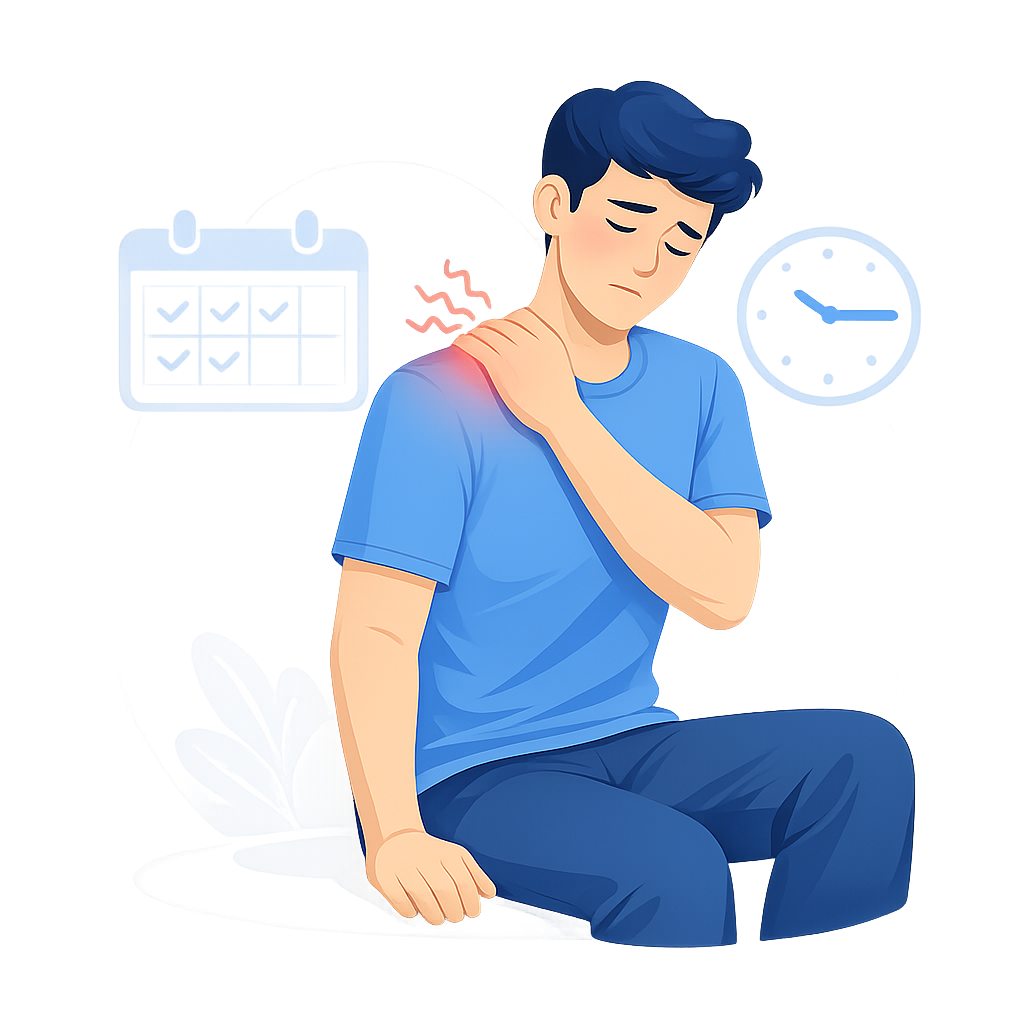
Chronic Pain

Chronic pain lasts longer than expected healing time and may continue for months or years. It can affect physical health, emotional wellbeing, relationships, and daily life.
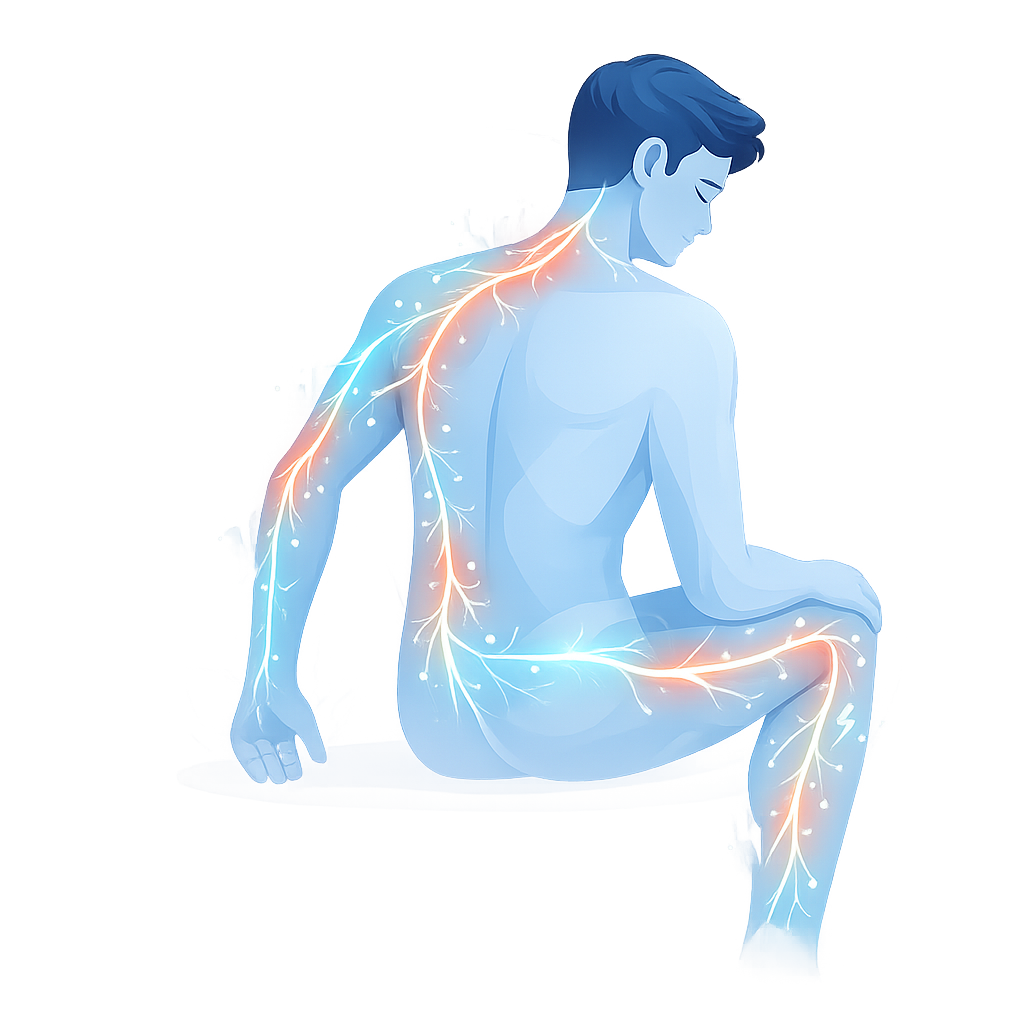
Neuropathic Pain

Neuropathic Pain

Neuropathic pain is caused by problems affecting the nerves or nervous system. People may describe it as burning, shooting, tingling, electric, or stabbing.
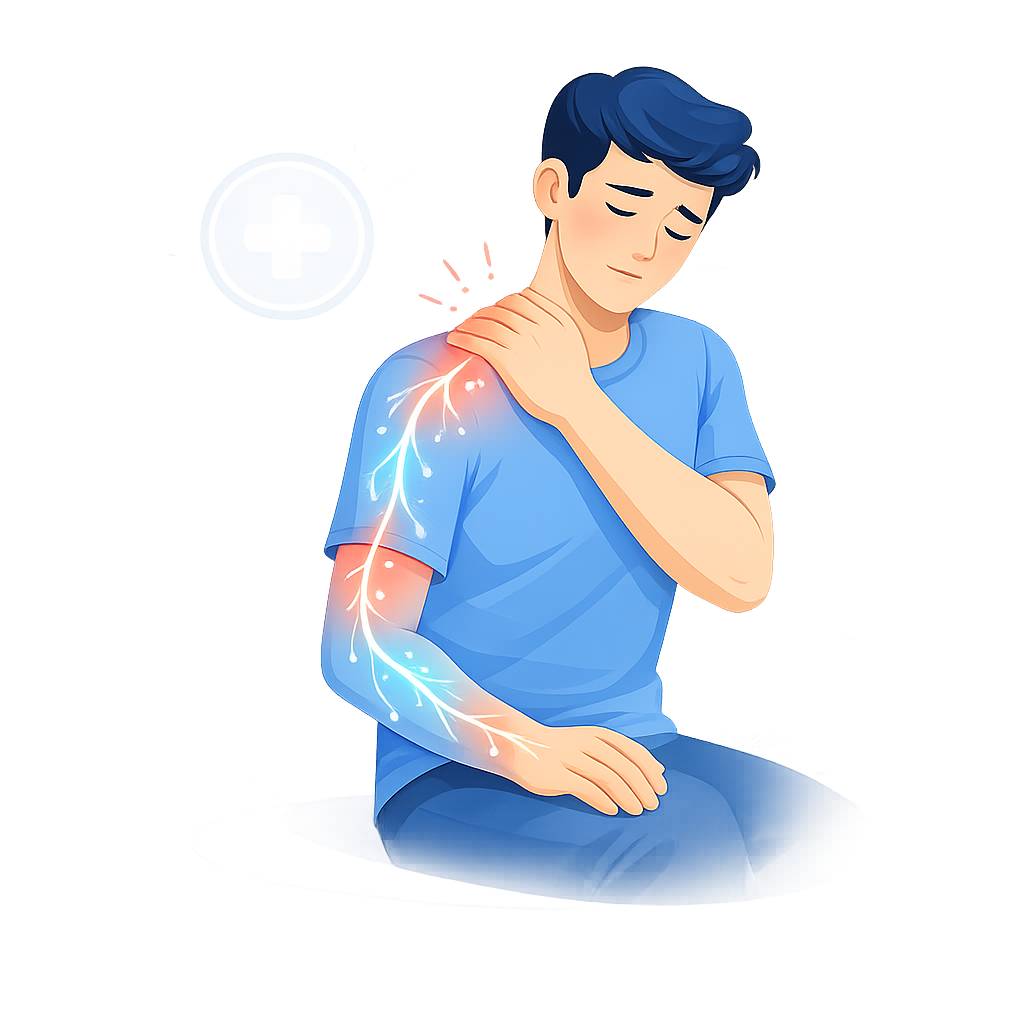
Nociceptive Pain

Nociceptive Pain

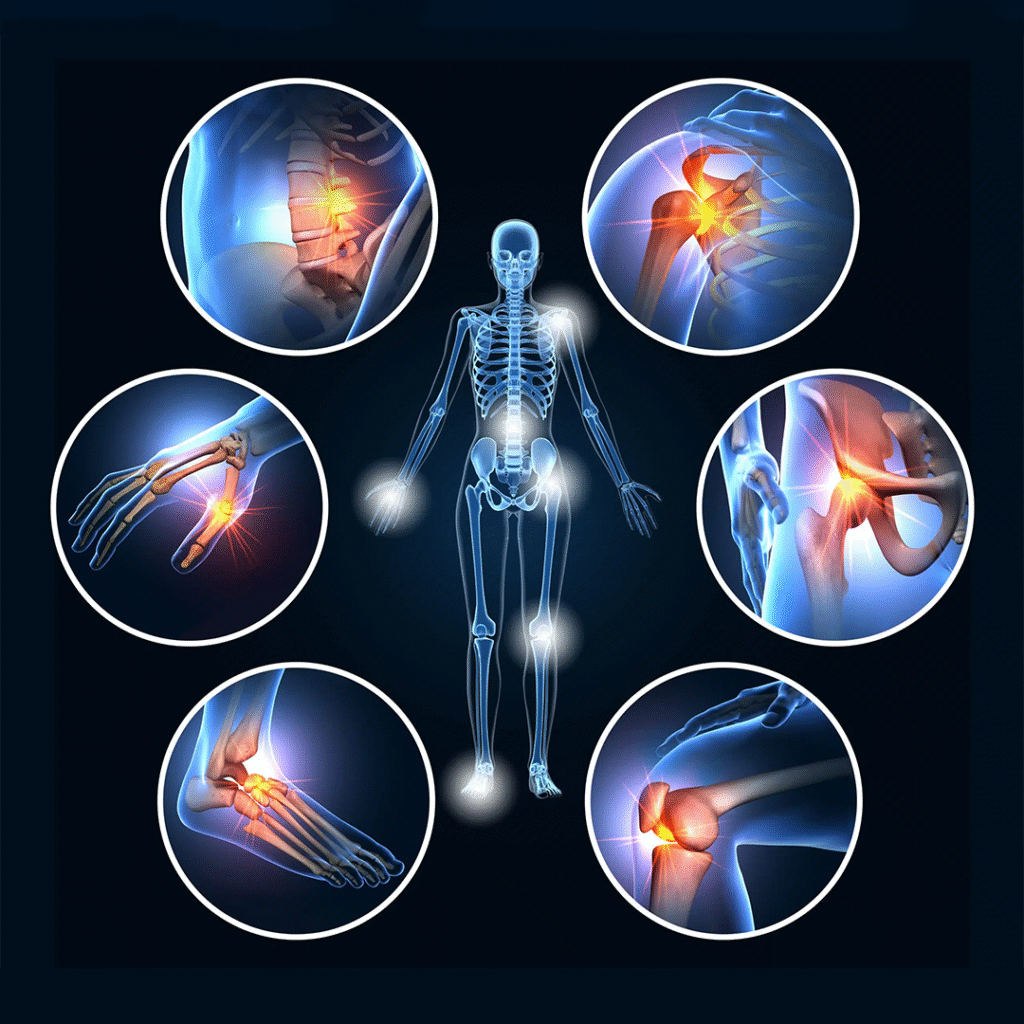
This type of pain may come from tissue injury, inflammation, muscles, joints, bones, or organs. It can feel aching, throbbing, sore, or sharp depending on the cause.
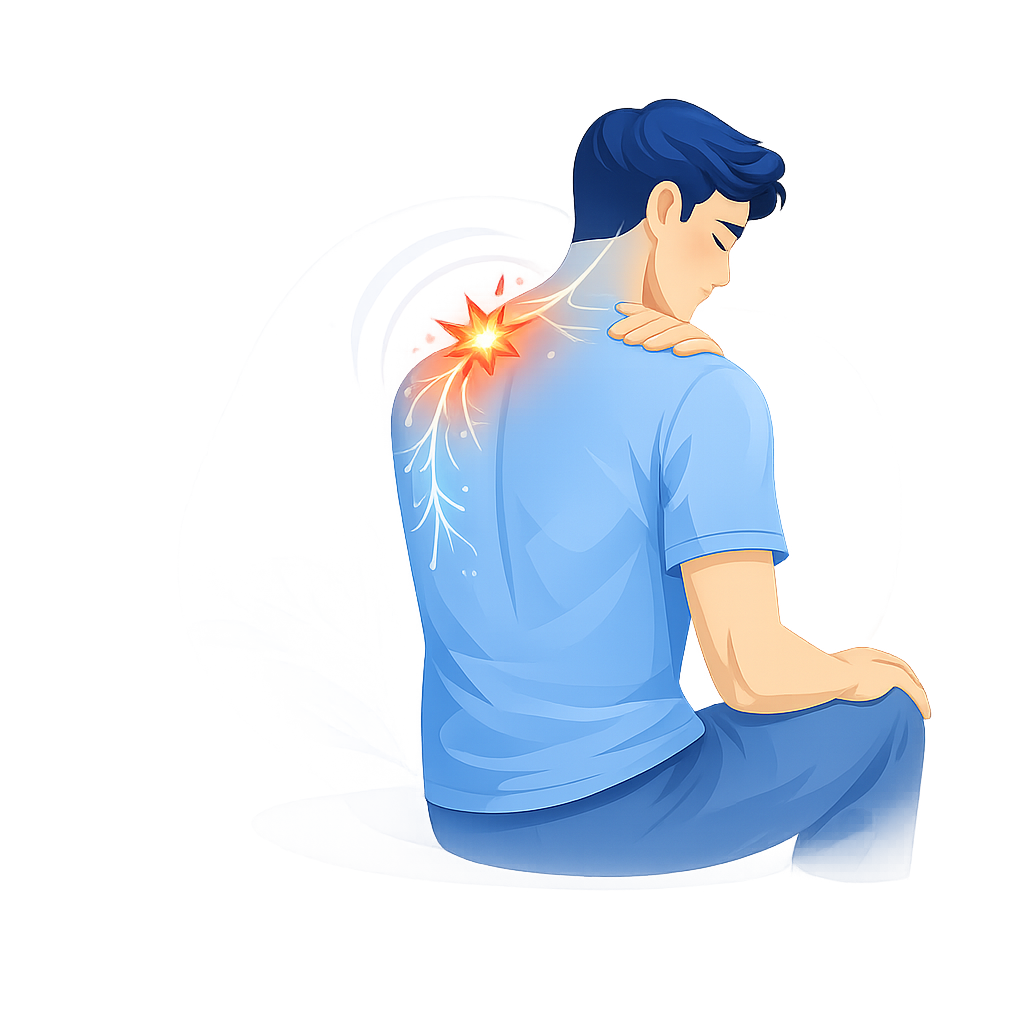
Breakthrough Pain

Breakthrough Pain

Breakthrough pain is a sudden flare of pain that occurs even when ongoing pain is otherwise being managed. It may come on quickly and require timely recognition and discussion with a healthcare provider.
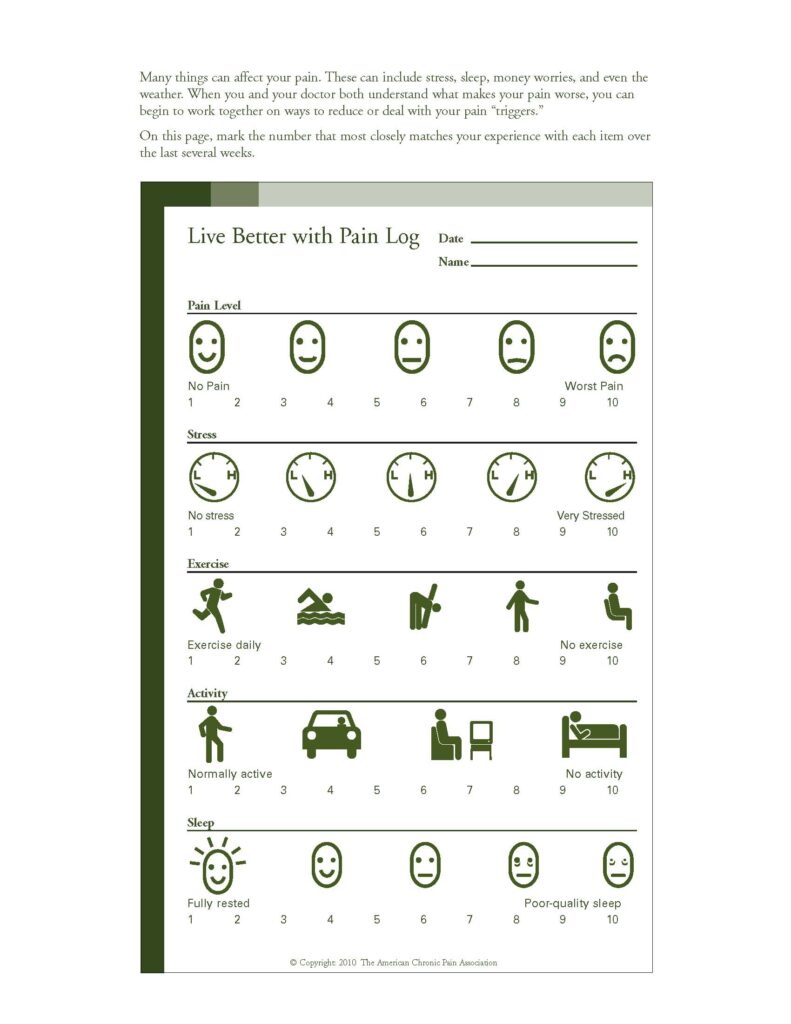
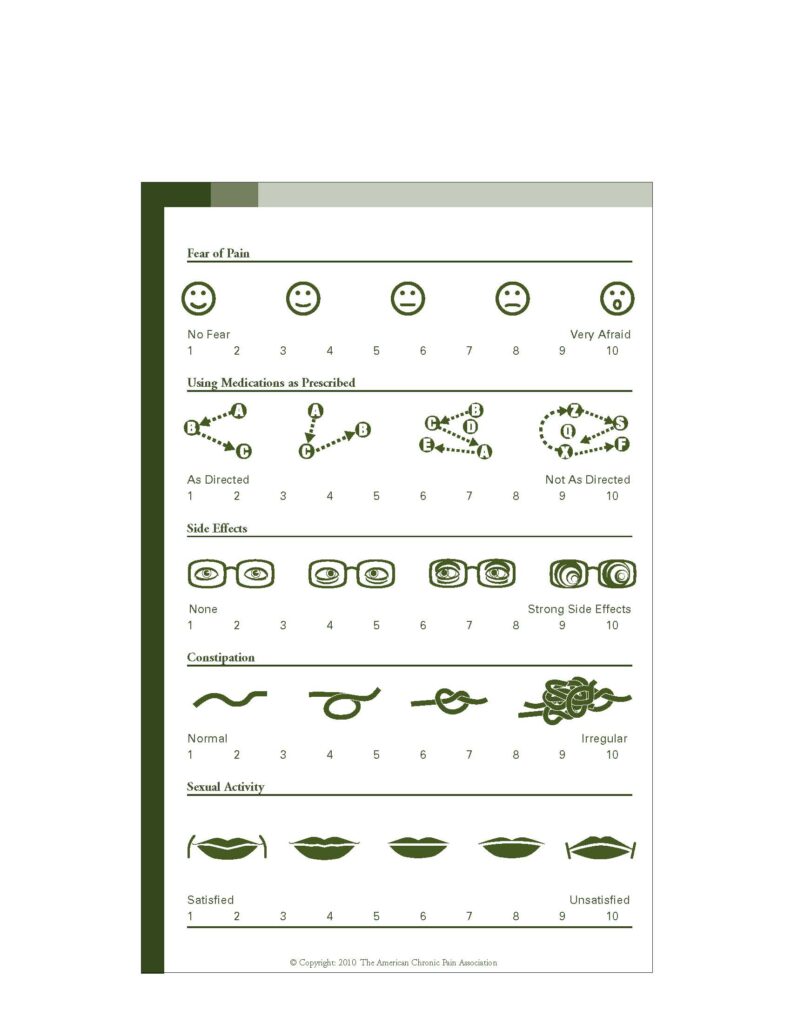
COMMUNICATION TOOLS

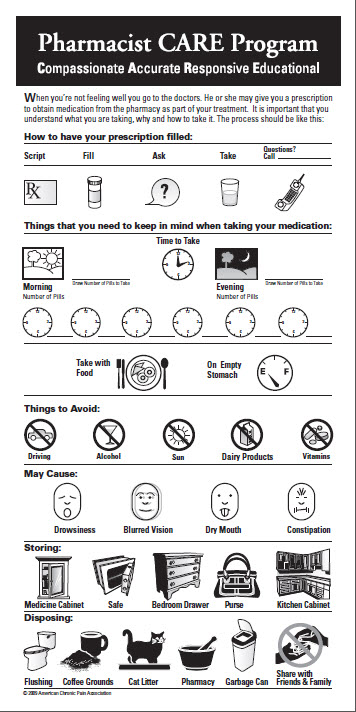
Appointments can feel rushed, and it is not always easy to explain pain in the moment. These tools are meant to help people living with pain prepare for appointments, organize their thoughts, track what matters, and communicate more effectively with healthcare providers and pharmacists.

Migraine Conversation Guide for Patients and Healthcare Providers

Opioid Overdose Preparedness Signs, Naloxone Use, and Emergency Response

Cluster Headaches Conversation Guide for Patients and Healthcare Providers

Fibromyalgia Daily Activity Checklist for Patients

Migraine Conversation Guide for Patients and Healthcare Providers 2

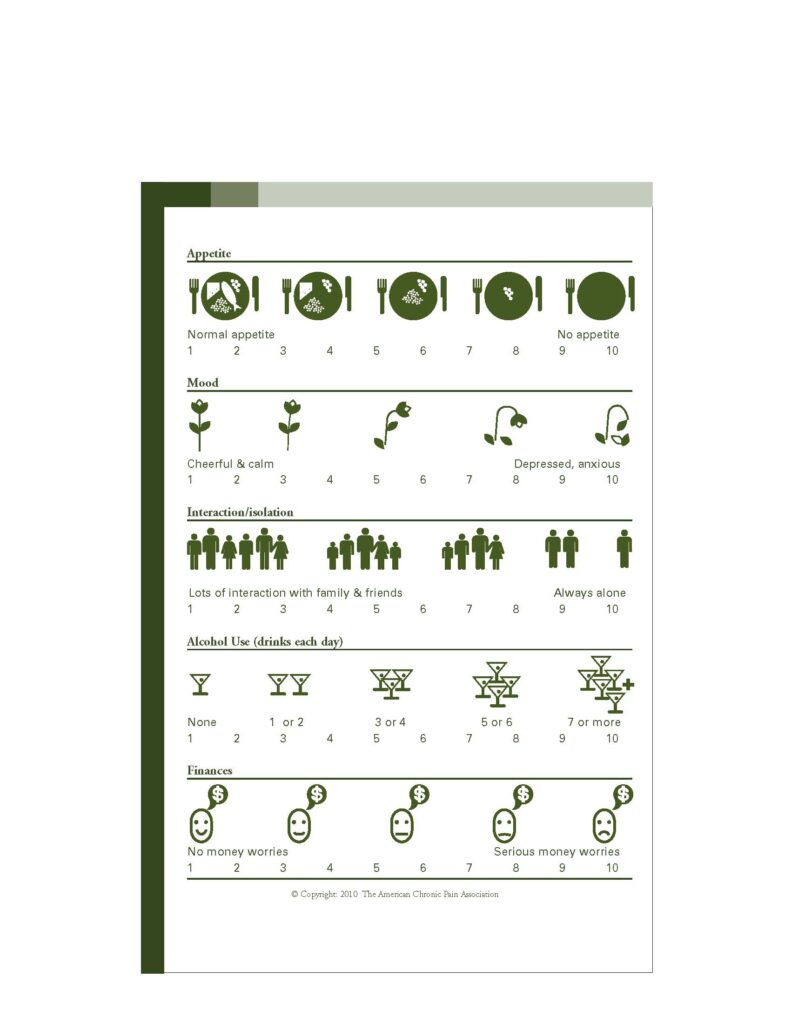
Quality of Life Scale A Functional Assessment Tool for People with Pain

Opioid-Induced Constipation Conversation Guide for Patients and Healthcare Providers

Pain Log

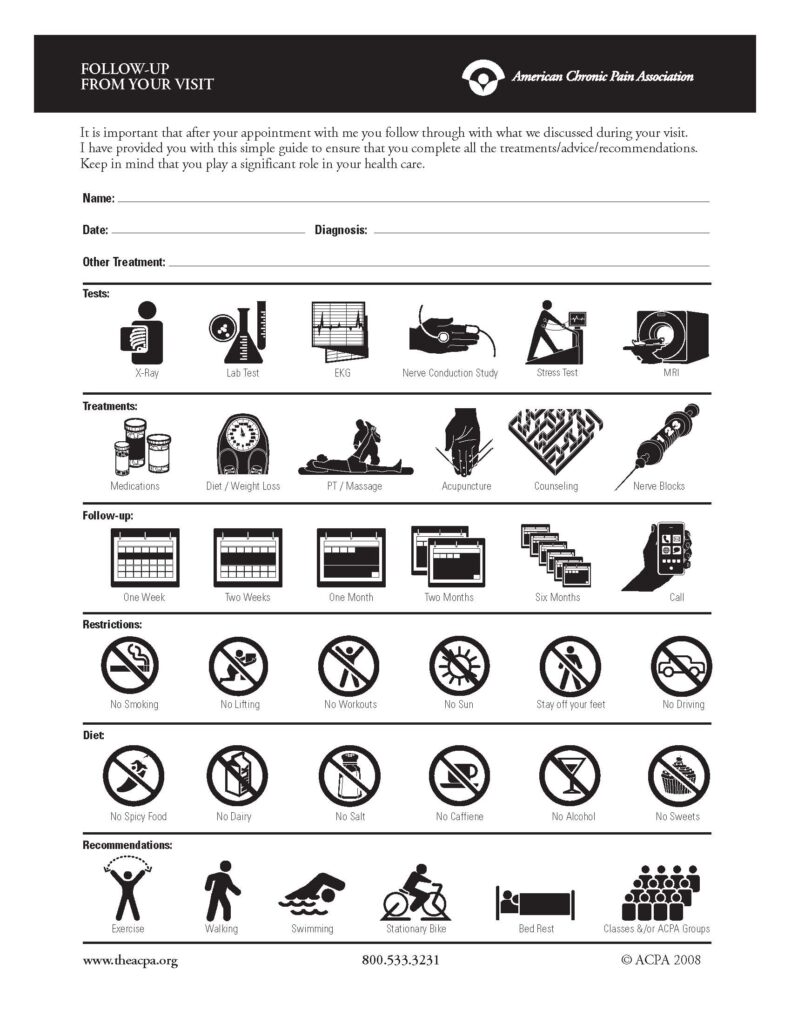
After-Visit Summary

Care Card

Toolkits

Appointments can feel rushed, and it is not always easy to explain pain in the moment. These tools are meant to help people living with pain prepare for appointments, organize their thoughts, track what matters, and communicate more effectively with healthcare providers and pharmacists.

Resources

Explore trusted resources designed to help people better understand pain and its impact on everyday life.
These materials provide practical information to support self-management, informed conversations and shared decision-making with healthcare providers.
Browse the resources below to find guidance, evidence and support relevant to your pain-care journey.