• (000) 123 458 789
  • office@worldpatientsalliance.org

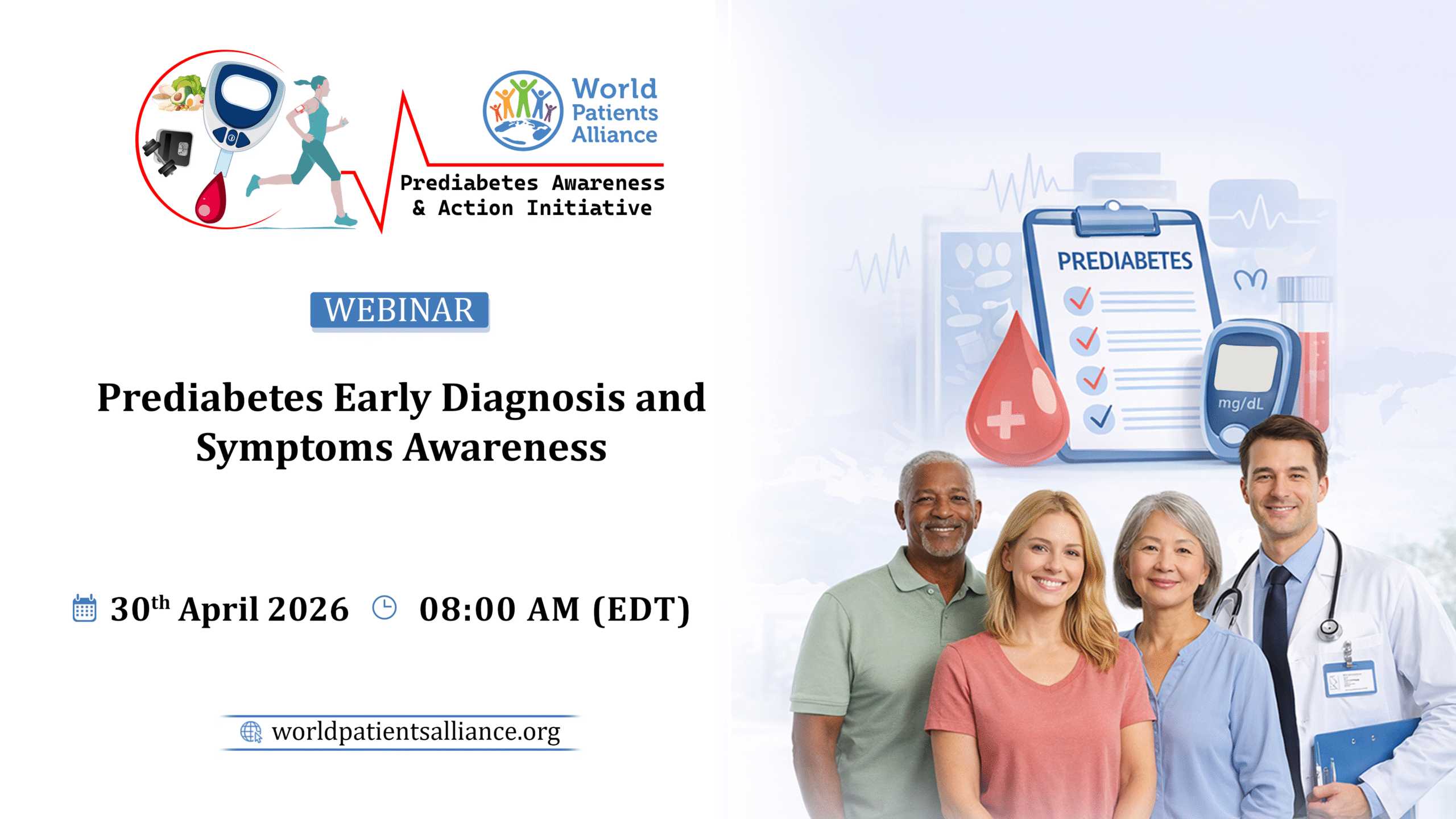
Webinar on Prediabetes Early Diagnosis and Symptoms Awareness

Date: 30 April 2026
Organized by: World Patients Alliance (WPA)

Welcome and Opening Remarks

Andrew Spiegel opened the session by welcoming the speaker and participants. Drawing on his personal family experience with diabetes, he stressed the importance of prevention, awareness, and early screening. He also noted that, because of his family history, he undergoes annual screening for prediabetes.

Context: WPA’s Prediabetes Initiative

Hussain Jafri, CEO of WPA, introduced a year long project on “Prediabetes Awareness & Action Initiative”, aimed at promoting early diagnosis, encouraging healthier lifestyles, empowering patients and communities, and strengthening national prevention policies. The initiative focused on webinars, educational materials, awareness campaigns, and advocacy efforts targeting global health stakeholders.

Key Presentation

Prediabetes: Early Diagnosis and Symptom Awareness

Dr. Kerstin MG Brand’s: Presentation focused on the early detection and awareness of prediabetes, emphasizing its silent progression and the importance of timely intervention. She explained how prediabetes develops without obvious symptoms, making early screening and awareness critical to preventing or delaying the onset of type 2 diabetes.

Her presentation highlighted the importance of the prediabetes “in-between” stage between normal and diabetic glucose levels, emphasizing that it should not be overlooked. She discussed key risk factors, including family history, lifestyle, and underlying health conditions, and explained that prediabetes can often be reversed through early lifestyle changes. Additionally, she outlined simple and practical steps individuals can take to assess their risk and reduce the likelihood of progression to type 2 diabetes.

Panel Discussion

The panel discussion explored prediabetes from clinical, advocacy, caregiver, and lived experience perspectives.

Dr. Jackie Malouf: Emphasized prevention before disease onset, noting that early education and screening can dramatically reduce complications and long term costs. She highlighted the role of patient organizations in translating science into compassionate, stigma free community messaging.

Chimisi Udochukwu: Shared lived experiences from Nigeria, stressing that lack of symptoms, stigma, fear, and limited access to healthcare delay early action. She described prediabetes as a “window of opportunity” that many miss due to low awareness.

Olivia: Highlighted the family perspective, explaining that prediabetes is often underestimated because it sounds “mild.” She emphasized that families play a key role in recognizing subtle changes such as fatigue, thirst, weight fluctuations and reduced concentration.

Dr. Kerstin Brand: Reinforced that prediabetes is the stage where intervention is most effective, using the analogy of a “missing warning light” unlike machines, the human body often gives no alarm until damage has progressed.

Q&A

Q&A of the webinar highlighted that prediabetes and diabetes can often be improved, and in some cases reversed, through sustained lifestyle changes. It was noted that HbA1c levels can be effectively reduced through a combination of a healthy diet, regular physical activity, and stress management. It was also highlighted that screening is recommended from age 35 years onwards, or earlier for individuals with identified risk factors. In addition, discussions pointed out that menopause and hormonal changes may contribute to increased insulin resistance. Finally, the importance of strong policy advocacy was underscored, particularly to ensure the integration of diabetes prevention into broader healthcare systems, including specialties such as dermatology.

Key Takeaways

Prediabetes often develops silently but carries serious health risks

Early screening and awareness are essential

Lifestyle changes remain the most powerful preventive tools

Families, caregivers, and patient organizations are central to prevention

Stigma‑free communication and supportive policies are critical

Closing Remarks

Hussain Jafri concluded by thanking speakers, panelists, and participants, emphasizing that prediabetes should not be ignored, but rather an opportunity to act. He reaffirmed WPA’s strong commitment to global advocacy and encouraged participants to actively engage in its ongoing “Prediabetes Awareness & Action Initiative”campaign. He also thanked EMD Serono for supporting WPA’s prediabetes initiative.

Agenda

Welcome and Opening Remarks

Andrew Spiegel | Chair, Board of Directors | WPA

Moderator

Hussain Jafri | CEO | WPA

Prediabetes Early Diagnosis and Symptoms Awareness

Dr. Kerstin MG Brand, Global Medical Director, Diabetes Portfolio

Panel Discussion

Moderator:

Hussain Jafri | CEO | WPA

Panelists:

Dr. Jackie Maalouf: Founder & President at Dialeb / VP at International Diabetes Federation

Oliwia Kaczmarek | Polish Diabetes Association

Chimezie Udochukwu Anyiam | Founder | Goodly Heritage Initiative

Q&A Session

Closing Remarks

Hussain Jafri | CEO | WPA

Speakers
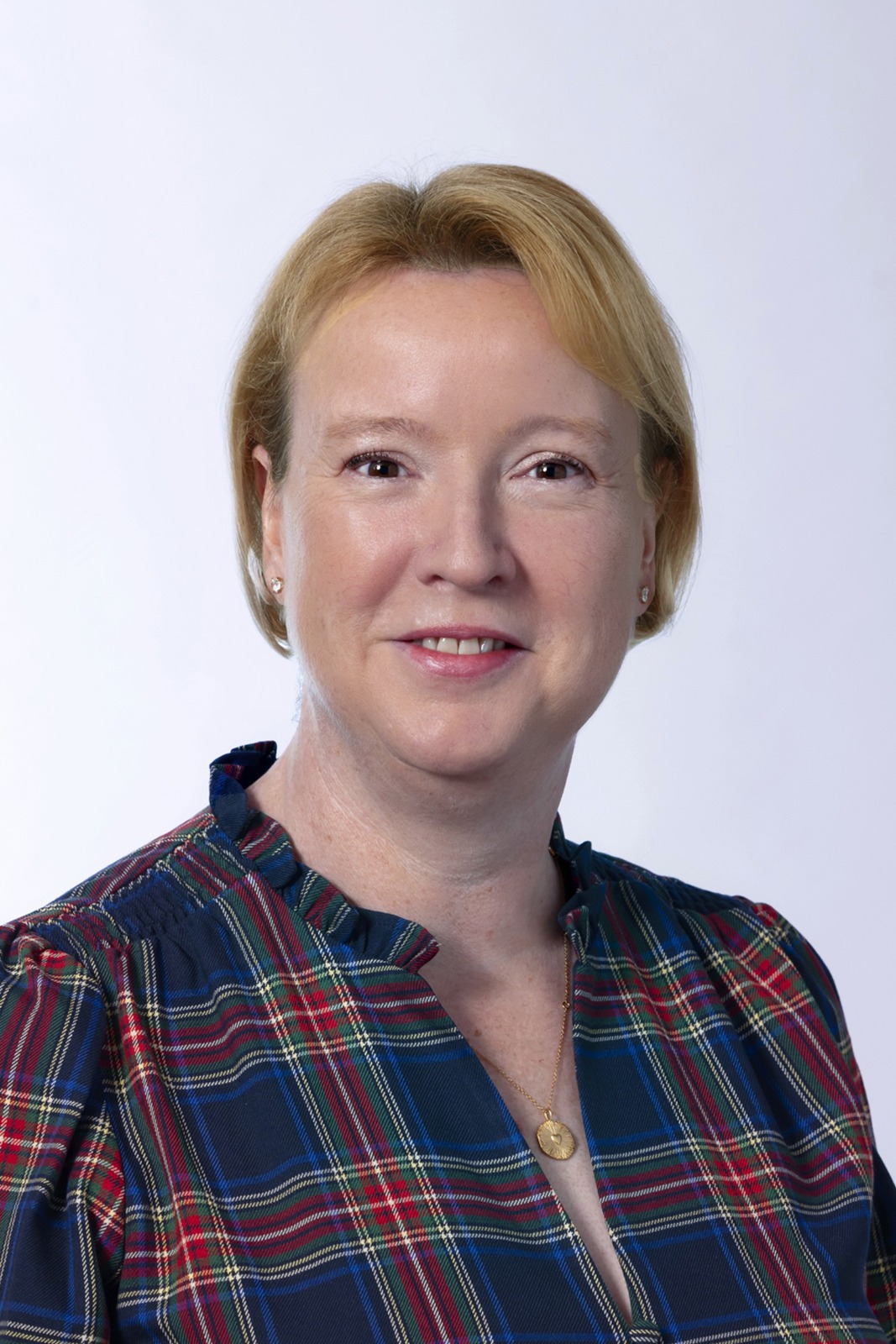
Dr. Kerstin MG Brand
Global Medical Director for the diabetes portfolio at Merck KGaA Dr. Kerstin MG Brand is the Global Medical Director for the diabetes portfolio at Merck KGaA, Darmstadt, Germany. She leads medical lifecycle management for metformin, the key ingredient in the original metformin brand, Glucophage®. With over 20 years of experience in cardiometabolic drug development, Dr. Brand has successfully spearheaded multiple lifecycle innovation projects for metformin and other cardiometabolic therapies at Merck. She holds a Ph.D. in Clinical Pharmacology and Pharmaceutical Biology from the University of Bonn and is passionate about the interconnected functions of the body, particularly the insulin signaling pathway, as well as value-based innovation, women’s health, and medical storytelling.
Dr. Jackie Maalouf
Dr. Jackie Kassouf Maalouf
Dr. Jackie Maalouf is Vice President at the International Diabetes Federation IDFserving on a second term, board member at the NCD Alliance, and board member at the GMHA, she is the Founder and President of Dialeb- The National Diabetes Organization, a leading diabetes organization in Lebanon which she founded with her daughter Sylvie living with type 1 diabetes in 2010. As of January 2026 she was appointed on the international board of the Global Metabolic Health Alliance GMHA. She is a certified diabetes educator. She made it her mission in life to advocate for those living with diabetes and other NCDs, and delivers educational and motivational talks around these topics across the globe. She has over 15 years of experience in leading Dialeb’s awareness campaigns and activities across Lebanon., and has earned several awards and certifications related to diabetes, nutrition, sports, public health… She has participated as a speaker at many local, regional, and international diabetes conferences. She takes parts as member at 3 committees at the global board of IDF, and is leading the sustainability committee since 2022. With IDF- MENA she is a member of several committees and has led the youth committee since 2022.She is an expert consultant with the WHO and sits on the boards of several local regional and global organizations, She has participated in many research papers as a co-author or reviewer. Dr. Jackie Maalouf is a seasoned educator who has taught for many years at the American University of Beirut (AUB) and AUCE. A passionate diabetes advocate and a staunch believer in social innovation, she frequently delivers talks at various forums, championing impactful initiatives. Her dedication to driving social change has earned her multiple awards of appreciation from local, regional, and international institutions. Fluent in four languages and proficient in two others, Dr. Maalouf excels in fostering global communication and collaboration. Guided by the principle of “Being the Change” and leading by example, she finds immense fulfillment in empowering communities to strive for a better future and a better quality of life.
Chimezie Udochukwu Anyiam
Chimezie Udochukwu Anyiam is a diabetes advocate and Founder of the Goodly Heritage Initiative, a nonprofit organization based in Nigeria focused on improving health outcomes through diabetes awareness, menstrual health education, and community outreach. Living with Type 2 diabetes for over a decade, she brings both lived experience and advocacy insight into her work. Her journey reflects the practical and emotional challenges often associated with a diabetes diagnosis, including stigma and limited awareness. Through her platform, she works to promote early diagnosis, strengthen community understanding, and encourage individuals to take informed and practical steps toward better health. Her work focuses on patient education, peer support, and reducing stigma associated with diabetes within underserved communities.
Hussain Jafri
Hussain Jafri is the Chief Executive Officer of the World Patients Alliance (WPA) which is the largest umbrella organization working across all disease areas. He also serves as a Professor at the Institute of Patient Safety Research, University of Kalisz, Poland, where he advances academic work in patient safety and healthcare quality. He serves on the WHO Civil Society Commission Steering Committee, strengthening engagement between WHO and civil society worldwide. He is also a member of the Advisory Group for WHO’s Patients for Patient Safety (PFPS) program, where he previously served as Vice Chair. At the national level, Hussain founded the Pakistan Patient Safety Initiative and was appointed by the Government of Punjab as Provincial Focal Person on Patient Safety and Quality, where he led the development of provincial healthcare policies and services. He also established Alzheimer’s Pakistan, the country’s first national association for Alzheimer’s disease and related dementias, inspired by his experience as a caregiver for his grandfather. With over three decades of advocacy, Hussain has worked extensively with governments, patient groups, and international organizations. He is a member of the Person and Family-Centred Advisory Council (PFCAC) of ISQua and serves on the taskforce of the Global Alliance of Partners for Pain Advocacy (GAPPA). An accomplished speaker, Hussain has addressed international conferences on patient safety, caregiving, person-centred healthcare, and advocacy. He has published widely in peer-reviewed journals and holds a PhD from the University of Leeds, UK, with research focused on the prevention of genetic disorders. He also served as Director General of the Punjab Thalassemia & Other Genetic Disorders Prevention & Research Institute.
Oliwia Kaczmarek
Oliwia Kaczmarek
Oliwia Kaczmarek is a Young Leader at the Polish Diabetes Association, where she actively contributes to advocacy and community engagement for individuals affected by metabolic conditions. She brings both lived and family experience to her work, living with insulin resistance and supporting close family members with Type 2 diabetes. This perspective informs her commitment to patient-centred awareness and education. Her work focuses on promoting early identification of risk, strengthening public understanding of prediabetes, and encouraging preventive action at both individual and community levels.
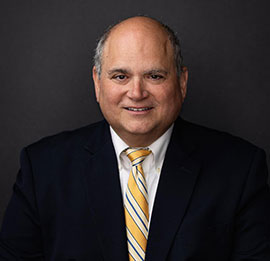
Andrew Spiegel
Andrew Spiegel has nearly two decades of experience in the patient advocacy arena. Spiegel co-founded the Colorectal Cancer Alliance, now the leading US based national patient advocacy organization dedicated to colon cancer. Mr. Spiegel, an attorney, besides being a co-founder of the organization and longtime board member of the Alliance became CEO in January of 2008 and he ran the CCA for nearly 5 years, before undertaking his next venture, the Global Colon Cancer Association (GCCA). Currently, Spiegel is co-founder and executive director of the GCCA, an international patient advocacy organization. This organization is an international community of nearly 50 colon cancer patient advocacy organizations and stakeholders dedicated to end the worldwide suffering of the 3rd leading cause of cancer deaths. In addition to his work in the colon cancer community, Spiegelis an active advocate for health care policies both in the US and now worldwide. He is a co-founder and currently serves on the steering committee of the Alliance for Safe Biologic Medicines (ASBM). He is on the Board of Directors, and in December 2014 was elected to Chair, of the Digestive Disease National Coalition (DDNC),a founding member of the Coalition to Increase Clinical Trial Participation. In addition to his work in the colon cancer community, Spiegelis an active advocate for health care policies both in the US and now worldwide. He is a co-founder and currently serves on the steering committee of the Alliance for Safe Biologic Medicines (ASBM). He is on the Board of Directors, and in December 2014 was elected to Chair, of the Digestive Disease National Coalition (DDNC),a founding member of the Coalition to Increase Clinical Trial Participation. Spiegel is a 1986 graduate of Temple University in Philadelphia where he earned a Bachelor’s degree in Political Science with minors in English and Philosophy. He is a 1989 graduate of the Widener University School of Law. After working for a Philadelphia litigation firm, Spiegel opened his own law firm in 1995.