- (000) 123 458 789
- office@worldpatientsalliance.org


Patients Testimonials
As part of Heart of Healthcare: Celebrating Our Nurses, WPA is sharing reflections from patients, advocates, and civil society leaders to recognize the vital role nurses play in healthcare.
These testimonials highlight how nurses support patients through care, communication, safety, dignity, and trust. They also show how strong patient–nurse partnerships can improve care experiences and make healthcare more compassionate, respectful, and human-centred.
Through these voices, WPA honours nurses for their daily contribution to patients, families, communities, and health systems around the world.
Second Round of Patient Testimonials
Published 26th September
“Across Africa, many patients receive care in health facilities that face serious resource constraints. Yet even in these difficult settings, nurses continue to play a vital role in protecting patients, supporting families, and keeping care human. Through my work with people living with HIV, TB, malaria, and non-communicable diseases, I have seen how nurses help patients understand their care, feel respected, and stay connected to the health system. A strong patient–nurse partnership is essential for trust, dignity, and patient-centred healthcare.”
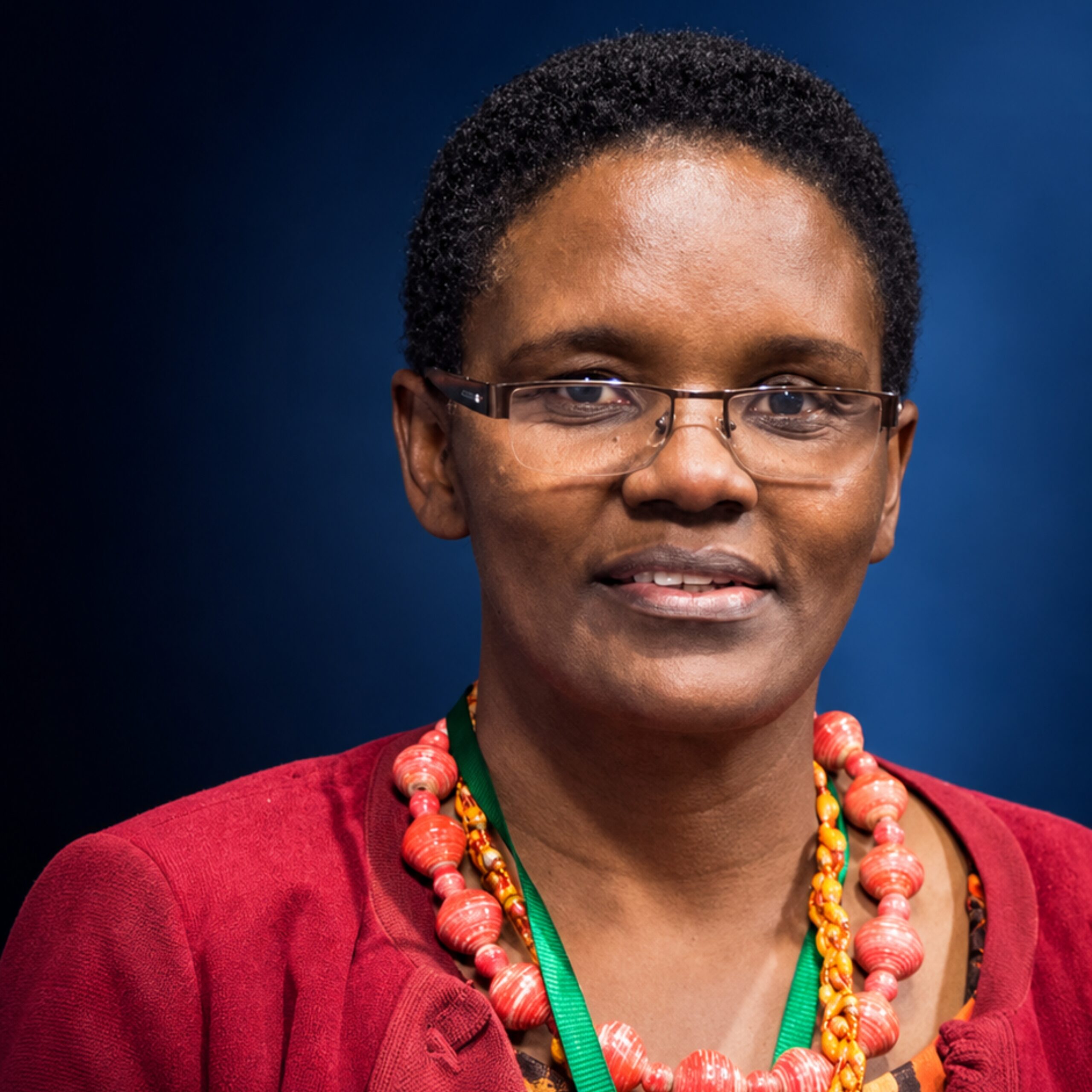
Regina Mariam Namata Kamoga | Executive Director, Community Health and Information Network
Uganda
“For people living with thalassemia, care is not a one-time event. It is a continuous journey that requires trust, regular support, safe blood transfusion, clear communication, and dignity. In this journey, nurses play an essential role. They stand close to patients and families, help them understand care processes, and support safer treatment experiences. Through my work in thalassemia advocacy and patient safety, I have seen how a strong patient–nurse partnership can improve confidence, reduce fear, and make long-term care more humane.”

J.S. Arora | General Secretary, National Thalassemia Welfare Society & Federation of Indian Thalassemia
Patients for Patient Safety Champion
India
“It was a nurse’s hand that I held when the surgeon first told me that I had cancer. And it has been nurses who have, in many different ways, held my hand throughout the eight years of monitoring and treatment that have followed.
Healthcare brings together an extraordinary number of people. There are the people we never meet who research, develop and make our medicines, the scientists and technicians behind our tests, and the highly skilled doctors and healthcare professionals whose expertise guides our treatment.
And then there are the nurses.
They are often the people who hold everything together, and sometimes, when you need it most, hold you together too.
Bladder cancer can mean years, and potentially a lifetime, of monitoring, procedures and treatment. During that journey, nursing care is invaluable. Nurses bring the human and softer side of healthcare into some of its hardest moments. They are there for the small questions you didn’t think to ask the doctor, for the reassurance when you are frightened, and simply to care for you when you feel at your most vulnerable.
Eight years after that first diagnosis, I remain enormously grateful for every nurse who has cared for me along the way.
So, to my bladder cancer nurses, to every bladder cancer nurse, and to every nurse who holds a patient’s hand when they need it most: thank you."

Ravi Ruparel | Bladder cancer patient
London
First Round of Patient Testimonial
Published 28th April
“In public health and civil society work, I have seen how nurses play a vital role in supporting people living with chronic infections, including HIV, hepatitis, and TB. Their contribution goes beyond clinical care. Nurses help patients feel informed, respected, and less alone during difficult moments, and additionally, they play a supportive role in helping patients adapt to their health status. A strong patient–nurse partnership builds trust, improves communication, and supports better care experiences. Recognizing nurses means recognizing one of the most human and essential parts of healthcare.”

Dr. Kagan Cavusoglu
Founding Secretary-General
Red Ribbon Istanbul, Türkiye
“In patient safety and quality improvement, nurses are central to safer care. They are often the professionals who spend the most time with patients and families, observe early risks, communicate concerns, and help ensure that care is delivered with dignity and respect. A strong patient–nurse partnership supports trust, open communication, and safer healthcare experiences. Recognizing nurses is therefore not only a matter of appreciation. It is also an important part of strengthening patient safety and quality of care.”

Dr. Inge Dhamanti
Head, Center of Excellence for Patient Safety and Quality
Universitas Airlangga, Indonesia
“Through my journey as a cancer survivor and my work in patient experience and advocacy, I have seen how nurses become a trusted part of the patient’s care journey. They support patients not only through treatment, but also through fear, uncertainty, recovery, and hope. Nurses help patients feel seen, heard, and respected. A strong patient–nurse partnership can make care more personal, more compassionate, and more meaningful. Recognizing nurses means recognizing the people who stand close to patients when care matters most.”

Mecciya Majrashi
President, Saudi Patient Experience Club
Board Member, Motaafi Cancer Survivor Foundation, Saudi Arabia