- (000) 123 458 789
- office@worldpatientsalliance.org


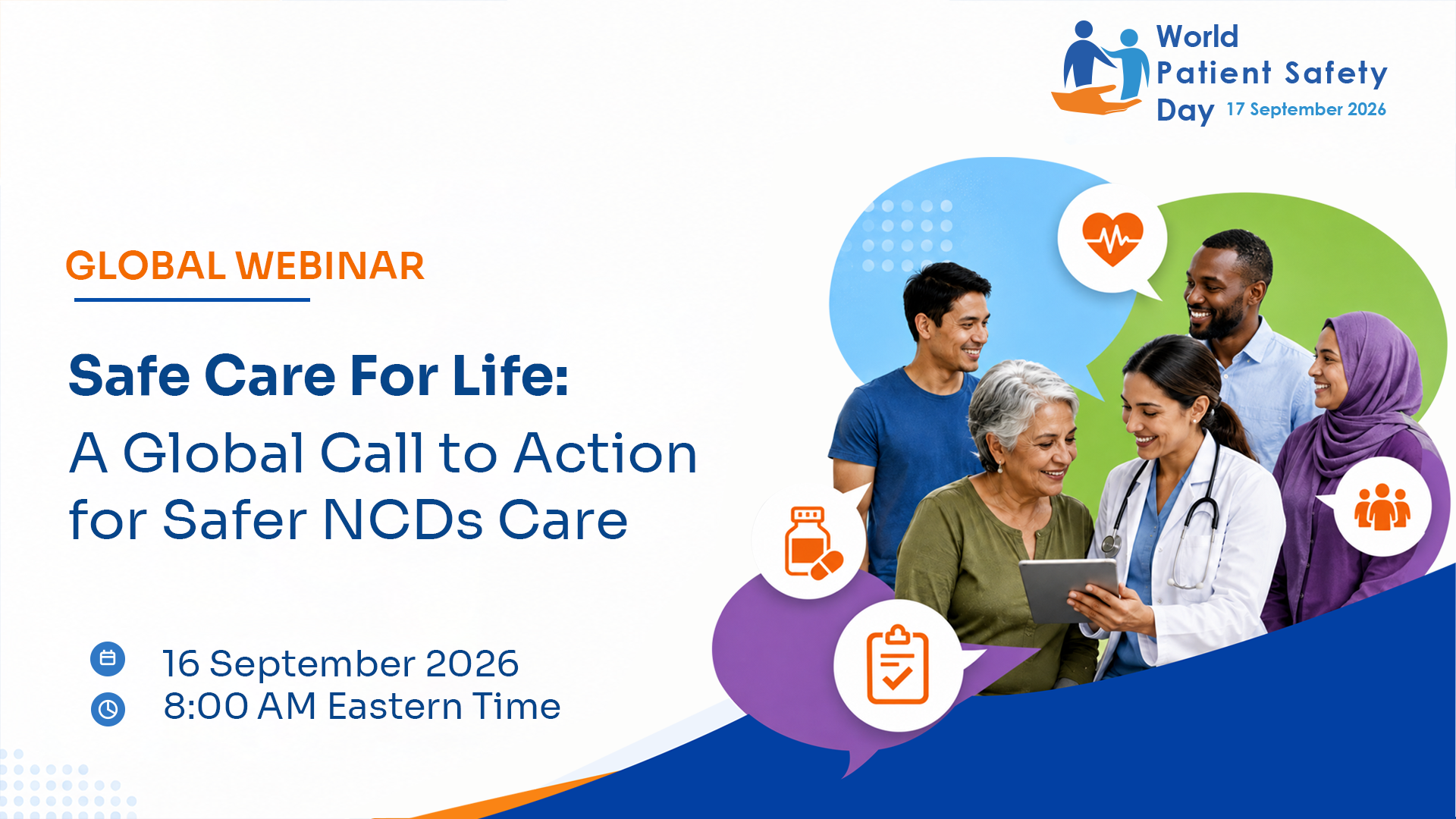
World Patient Safety Day 2026 Global Webinar
Safe Care for Life: A Global Call to Action for Safer NCD Care
Date: 16th September 2026
Organized by: World Patients Alliance (WPA)
Overview
The World Patients Alliance 2026 World Patient Safety Day webinar on Safe Care for Noncommunicable Diseases: Safe Care for Life brought together patient safety leaders, healthcare professionals, patient advocates, and representatives of people living with noncommunicable diseases to examine patient safety across the lifelong NCD care journey.
The session highlighted that people living with NCDs may face particular safety risks because of long term treatment, multimorbidity, polypharmacy, repeated interactions with health systems, fragmented care pathways, and transitions between providers and settings. Speakers emphasized that patient safety must extend from prevention and diagnosis through treatment, medication management, rehabilitation, self-care, and palliative care, with patients and families recognized as partners in designing and improving safer care.
Key Objectives of the Webinar
– Raise awareness of patient safety risks experienced by people living with noncommunicable diseases.
– Highlight the importance of lifelong, continuous, and coordinated approaches to safe NCD care.
– Strengthen understanding of medication, diagnostic, communication, transition, and system-level safety risks.
– Promote meaningful partnership with patients, families, and caregivers in identifying risks and improving care.
– Explore practical approaches to patient safety in low-resource settings and across different healthcare systems.
– Discuss the opportunities and safeguards needed when using artificial intelligence and digital technologies in NCD care.
Agenda
Welcome Remarks
Andrew Spiegel | Chair, Board of Directors | WPA
Key Presentation
Technical presentation: Key patient safety challenges in NCD prevention, diagnosis, treatment, and long term care
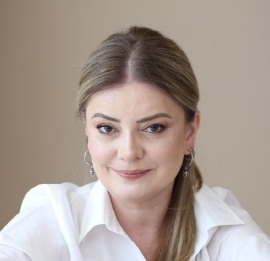
Dr. Irina Papiieva | World Health Organization
Patient perspective: Experiences of safety risks across the NCD care pathway
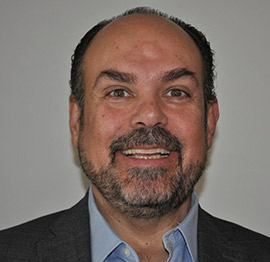
Bill Wang | International Society of Nephrology
Panel Discussion
Moderator & Opening Remarks
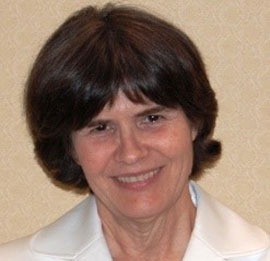
Helen Haskell | Chair, WPA Patient Safety & Quality Council
Panelists
– Ashok Gupta | Chairman, Allergy Care India; Director, Global Allergy and Anaphylaxis Patient Platform (GAAPP)
– Gloria Ekeng | Stroke Nurse Consultant and Chief Executive Officer, Stroke Care International
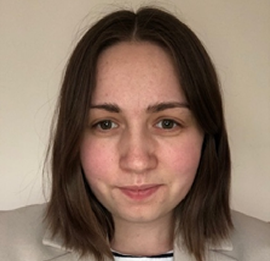
– Emma Dobell | Patient and Public Strategy Editor, BMJ
– Francisco Freiria | General Director, Fundación de Desarrollo Teresa de Jesús IEP
Closing Remarks
Hussain Jafri| CEO | World Patients Alliance
Welcome Remarks
Andrew Spiegel welcomed participants from around the world and introduced the webinar as part of the World Patients Alliance's 2026 World Patient Safety Day activities. He highlighted the World Patients Alliance role as a global umbrella organization working across diseases and emphasized its commitment to placing patients at the centre of healthcare decisions. He also welcomed participants from the growing WPA membership, noting that the Alliance had reached 829 NGO members across 143 countries.
Opening Remarks
Helen Haskell, Chair of the WPA Patient Safety & Quality Council, introduced the webinar's focus on noncommunicable diseases and patient safety. She noted that NCDs encompass a wide range of conditions and affect an enormous number of patients, who may be particularly exposed to patient safety risks because they interact with healthcare systems and receive medical treatment more frequently. She emphasized that although substantial research and planning focus on NCD treatment, comparatively less attention is often given to the associated patient safety risks.
Helen highlighted the World Health Organization's 2026 World Patient Safety Day programme, which applies established patient safety practices to the wide range of safety issues faced by people living with NCDs. She introduced Dr. Irina Papiieva and Bill Wong as the webinar's keynote speakers before outlining the panel discussion and audience Q&A.
Key Presentation
Technical presentation: Key patient safety challenges in NCD prevention, diagnosis, treatment, and long term care
Dr. Irina Papiieva
Dr. Irina Papiieva welcomed participants on behalf of the World Health Organization and thanked the World Patients Alliance for its continued commitment to advancing patient safety and ensuring that the voices of patients, families, and their representatives remain central to the agenda. She framed the discussion around the 2026 World Patient Safety Day theme and its central message: when care is lifelong, safety must be lifelong.
She described the scale of the challenge, noting that noncommunicable diseases account for around three quarters of deaths globally and that people living with NCDs may experience substantial preventable harm. Unlike a single clinical encounter, NCD care often involves repeated interactions with health systems over years or decades. This changes the nature of the patient safety challenge and creates opportunities for risk to accumulate across medicines, specialists, investigations, referrals, and transitions.
Medication-related harm was highlighted as a prominent concern, alongside uneven evidence across different NCDs and settings. Dr. Papiieva explained that multimorbidity, polypharmacy, multiple providers, and care transitions can interact with fragmented systems, workforce pressures, information gaps, financial barriers, and difficulties navigating care. She emphasized that these risks should be understood as interconnected rather than occurring independently.
The presentation also broadened the understanding of patient safety beyond treatment-related harm. Safety can be affected when prevention opportunities are missed, screening does not reach the right person, abnormal results are not followed up, referrals are delayed, or patients do not understand what needs to happen next. Diagnostic safety similarly requires timely and accurate diagnosis, effective communication, and appropriate follow-up, particularly where symptoms overlap and care responsibilities are divided between providers.
Medication safety was presented as another critical element of NCD care. People may use several medicines over many years, receive prescriptions from different providers, experience medication changes during hospitalization, and require continuing monitoring. Dr. Papiieva stressed the importance of safer medication use across prescribing, dispensing, administration, monitoring, and use at home, including attention to polypharmacy, high-risk situations, and transitions of care.
She also addressed repeated procedures, medical devices, healthcare-associated infections, and technologies increasingly used outside hospitals. Because more aspects of NCD care take place in people's homes, patients and caregivers need appropriate information, education, skills, and support to use medicines and devices safely.
Transitions between primary care, specialist care, hospitals, and home were described as particularly vulnerable moments. Incomplete information, unreconciled medicines, missing test results, and unclear responsibility for follow-up can leave patients trying to connect fragmented parts of their care. Dr. Papiieva therefore emphasized that continuity of care itself can function as a patient safety intervention.
The presentation recognized that much NCD care occurs in everyday life, where patients and families manage medicines, monitor symptoms, use devices, track appointments and results, recognize warning signs, and decide when to seek help. However, she emphasized that responsibility for safety should not simply be transferred to patients. Health systems remain responsible for providing safer care, while patient engagement adds knowledge and experience that professionals and policymakers may otherwise not see.
Dr. Papiieva concluded that patient safety needs to be explicitly embedded in NCD policies, programmes, and accountability mechanisms. Strong primary healthcare and integrated pathways, safer diagnosis and medication use, workforce capacity, meaningful patient partnership, and continuous measurement and improvement are all needed to strengthen safety. She connected these actions to the 2026 World Patient Safety Day campaign and its five goals for translating the theme of safe care for NCDs into practical action at healthcare facility level.
She closed with three key messages: think continuum, because safety begins with prevention and diagnosis and continues through treatment, transitions, and long-term care; think systems, because the organization and coordination of care influence clinical risk; and think partnership, because people living with NCDs are essential partners in recognizing risks and designing safer care.
Patient perspective: Experiences of safety risks across the NCD care pathway
Bill Wang
Bill Wang introduced the patient perspective, drawing on his experience as a global patient advocate and member of the WHO Steering Committee for World Patient Safety Day 2026. He described his own journey with polycystic kidney and liver disease, including a combined liver and kidney transplant in 2018, and used this experience to examine the role of patients in advancing safety.
He contrasted the culture of silence that may be appropriate in some legal settings with the need for engaged conversation in healthcare. In patient safety, he argued, speaking up can be an important safeguard. He shared an experience in which a critical anti-rejection medicine was temporarily withheld because of a low blood cell reading and infection concerns. Although the decision was described as medically prudent rather than an error, he noted that a simple conversation with him about the change would have supported greater understanding and trust.
Bill emphasized that lived experience can serve as an important checkpoint in NCD care, particularly because patients may notice changes, missing information, or conflicting advice across a fragmented system. At the same time, he cautioned against creating a system that depends on patients being confident, educated, or well connected enough to speak up. Healthcare systems should remain responsible for safety rather than outsourcing responsibility to patients.
He highlighted the importance of a just culture and psychological safety in which anyone can raise a question or concern without fear of humiliation or retaliation. He encouraged healthcare leaders to promote transparency and learning, frontline staff to build trust through respectful communication, and safety and quality professionals to address diagnostic delays, medication errors, fragmented care, and poor communication through systems thinking.
For patients, families, and caregivers, Bill encouraged active engagement with their own care, including asking questions, understanding treatment, using lived experience as expertise, and speaking up when something does not seem right. He described patients as owners of their health journey, advocates, partners, communicators, monitors, and verifiers, and ultimately the beneficiaries of safe and high-quality care.
He concluded by calling for a shift from safety based on individual privilege to safety guaranteed by culture, with patient partnership and speaking up embedded throughout the NCD care journey from prevention to end-of-life care.
Panel Discussion
The panel discussion explored practical approaches to improving patient safety for people living with different NCDs, including diabetes, respiratory diseases, stroke, and cancer. Panelists addressed patient partnership, medication safety, resource limitations, health system responsiveness, continuity of care, and the opportunities and risks associated with artificial intelligence.
Ashok Gupta: Discussed the challenges faced by people with respiratory diseases in resource-poor settings. He described the gap between rural populations and specialist services in India and highlighted approaches such as hub-and-spoke models, strengthening primary healthcare, improving access to inhalers, supporting generic medicines, and training frontline health workers to recognize key asthma warning signs and refer patients appropriately.
Gloria Ekeng: Addressed medication safety in people living with multiple NCDs. She emphasized routine medication reconciliation when patients are admitted, discharged, or transferred between services, together with accurate and up-to-date medication lists. She highlighted the importance of communication between healthcare professionals and patients, including helping patients understand what medicines are for, how and when to take them, and which warning signs or side effects require attention.
Emma Dobell: Highlighted the particular safety challenges of insulin use for people living with diabetes and the importance of education throughout the patient journey. She described how patient partnership can help healthcare services understand what matters to people with diabetes and can lead to more accessible support, including secure ways for young people to raise questions and concerns.
Francisco Freiria: Discussed the need for global patient safety standards that take account of differences in resources, language, culture, and healthcare systems. He encouraged civil society organizations to document local evidence of safety problems and advocate for resource-stratified guidelines, evidence gathering that reflects local contexts, and culturally and linguistically adapted care.
Bill Wang: Reinforced the need for patient partnership, noting that patients are often the only people who can see the full picture when care is fragmented across multiple providers. He cautioned against healthcare systems relying on patients to compensate for system failures, explaining that many patients are already dealing with the burden of illness. He advocated for healthcare systems that are self-sufficient while encouraging patients to remain active and engaged in their care. He also spoke extensively about creating a culture where patients and healthcare workers feel safe to speak up without fear.
Irina Papiieva: emphasized that patients living with NCDs often have the most complete view of their care journey and should be treated as genuine partners in patient safety. She highlighted the importance of shared decision-making, health literacy, clear communication, and involving patients not only in their own care but also in healthcare policy, service design, and governance. At the same time, she stressed that the responsibility for safety should remain with healthcare systems and not be shifted entirely to patients.
Q&A
During the Q&A session, participants raised questions about patient partnership, diabetes safety, low-resource settings, polypharmacy, cancer care, artificial intelligence, NCD priorities in countries with a high burden of communicable diseases, stroke care, and continuity of care.
The speakers emphasized that people living with NCDs should be treated as genuine partners without transferring the health system's responsibility for safety to them. Shared decision-making, clear communication, health literacy, and opportunities to raise concerns were identified as important elements of partnership.
On artificial intelligence, panelists discussed its potential to support screening, clinical processes, drug development, and resource-constrained health systems. They also emphasized that safety must come before innovation. AI tools should be evidence-based, clinically validated, transparent, privacy-protecting, equitable, and subject to appropriate governance and regulation, with patients and health professionals involved in their design.
In response to questions about countries facing both communicable and noncommunicable disease burdens, Dr. Papiieva recommended using robust global evidence together with local research and context-specific data to demonstrate the importance of addressing both burdens systematically.
The discussion on stroke highlighted that when a patient is unconscious, the immediate priority is appropriate monitoring, supportive care, and assessment of the next clinical steps. For diabetes, Emma Dobell again emphasized the value of listening to patients and integrating their knowledge into service design.
The panel also discussed health system responsiveness and continuity of care. Ashok Gupta described examples from India where patient advocacy contributed to policy changes related to generic medicines, healthcare coverage, and support for people with rare diseases. These examples illustrated how patient organizations can contribute to changes that address both financial and clinical barriers to safer care.
Key Takeaways
– Patient safety for people living with NCDs must be protected throughout the entire care journey, from prevention and diagnosis to treatment, transitions, self-care, and long-term care.
– People living with NCDs may face increased safety risks because of multimorbidity, polypharmacy, repeated healthcare interactions, fragmented pathways, and transitions between providers.
– Medication safety, diagnostic safety, continuity of care, communication, and coordinated transitions are essential components of safer NCD care.
– Patients, families, and caregivers bring valuable lived experience and should be meaningfully involved in identifying risks, designing services, and improving safety.
– Patient partnership should strengthen health systems without transferring responsibility for safe care from healthcare providers and organizations to patients.
– Low-resource settings require practical, equitable, and context-adapted approaches, including stronger primary care, local evidence, appropriate access to medicines, and culturally and linguistically adapted information.
– Artificial intelligence can support NCD care, but reliability, clinical validation, transparency, privacy, equity, and appropriate governance are essential safeguards.
– A just culture and psychological safety can help create environments where patients and healthcare workers feel able to raise concerns and learn from safety risks.
Closing Remarks
Hussain Jafri, CEO of World Patients Alliance concluded the webinar by thanking the speakers, panelists, and participants who joined from around the world. He emphasized that for people living with NCDs, patient safety is not limited to a single clinical encounter but must be protected throughout the entire care journey, including prevention, timely diagnosis, treatment, medication management, rehabilitation, self-care, and palliative care.
He highlighted the World Patients Alliance's continued engagement in World Patient Safety Day activities and its resources for member organizations, including campaign materials such as infographics, posters, banners, and other toolkit resources. He also noted that the patient safety agenda would continue beyond the campaign and be carried forward to the Third World Patients Conference in Nairobi, Kenya, scheduled for 7–8 November 2026.
Hussain reaffirmed the World Patients Alliance's commitment to ensuring that people living with NCDs are not treated only as recipients of care but are recognized as essential partners in making care safer. The webinar closed with an emphasis on continued collaboration among patients, healthcare professionals, patient organizations, researchers, and policymakers to advance safe care for NCDs throughout life.